Case Study
Dispute over contract to buy Shophouse at project in Di An
2026-09-09
I. Summary of the case
During 2020, the real estate market heated up. The shortage of supply in Ho Chi Minh City led to a boom in the suburban real estate market. In particular, Di An town, which had recently been upgraded to a city, saw the emergence of many projects. Most of these projects were large-scale and met market demand.
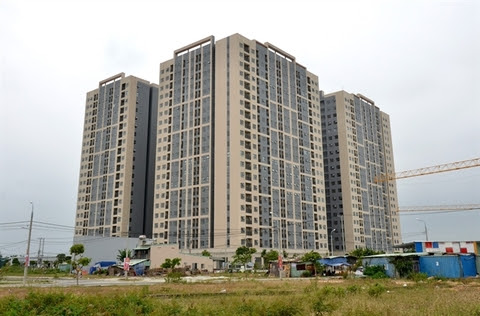
Ms. Thanh purchased a shophouse in a project at the Di An intersection. She made payments on time, and both parties signed a deposit agreement. Ms. Thanh had already paid 30% of the shophouse’s value, equivalent to 100% of the deposit. However, from 2020 to 2023, Ms. Thanh noticed that the project was only partially completed. The developer had built two blocks and handed them over to residents, but the block where her shophouse was located showed no signs of construction, despite her having already paid the deposit. Ms. Thanh contacted the developer multiple times, with the assistance of sales representatives, but the developer only promised to wait. Upon investigation, she learned that the construction permit for her block was not yet available due to incomplete land use conversion procedures. Realizing that continuing to buy the shophouse was not feasible, and having already paid the developer many days ago, recovering the money was essential to pay the bank interest she had incurred while waiting for the developer.

Real estate projects are continuously being formed to diversify supply sources.
Ms. Thanh requested a termination, but the investor refused, citing a clause in the deposit agreement stating that unilateral termination would result in forfeiture of the deposit. Ms. Thanh was worried sick, losing sleep over the large deposit she had paid. Furthermore, this was a bank loan secured by her own hotel, which she was operating and managing. At this time, her mother was elderly and ill, and she had to care for her, leading to inefficient business operations. Adding to this, the hotel business was sluggish after the recent COVID-19 pandemic. Worried, she sought help from Inter Justice lawyers to recover her invested funds.
II. Limitations of deposit agreements according to legal regulations
- The deposit agreement is invalid because the construction permit has not yet been issued, therefore the basis for the deposit does not exist.
- Investors are only permitted to raise capital in accordance with the procedures and forms prescribed by law.
- Cases of fundraising that do not comply with regulations are invalid.
- The penalty clause in the deposit agreement is invalid because the deposit agreement is invalid.
- Investors must meet all the necessary conditions before they can conduct business.
III. Lawyer solutions and case results
- With authorization from Ms. Thanh, the lawyer directly worked with the investor’s contract legal department on the request to liquidate the deposit agreement.
- The lawyer pointed out the disadvantages of the investor in not having a construction permit but still communicating, mobilizing capital, and agreeing on an invalid deposit.
- These are the legal sanctions that may occur if the buyer files a lawsuit.
- Big investor and also carrying out many big projects in Ba Ria Vung Tau, so there is good will to negotiate.
- Based on the lawyer’s recommendations and legal regulations, it is deemed necessary to protect the investor’s reputation in order to carry out other projects.
- The investor accepted all of the lawyer’s proposals and refunded Ms. Thanh the entire deposit amount within two months from the date of signing the termination agreement.